





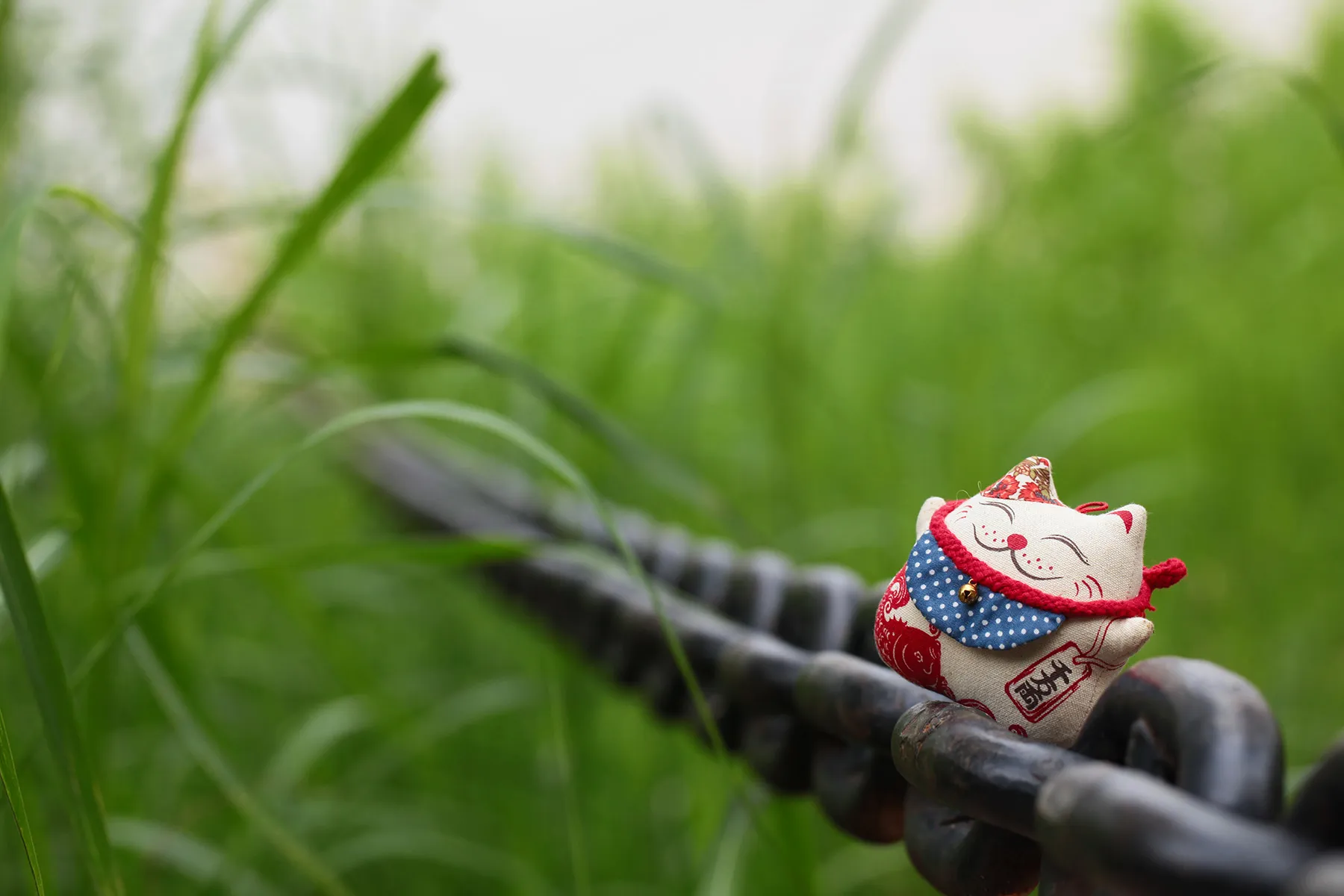
Silkscreen printing is a traditional hand-printing technique.
It is not complicated in theory, but it demands a high level of precision in practice.
Over the years of working with print studios, I’ve gradually learned how technical this process can be.
At the same time, I’ve also learned to see it as a source of inspiration rather than just production.
Many of my works — including Love Letter Bear, Nursery Rhyme Tiger, and this Lucky Cat — are created through this process.
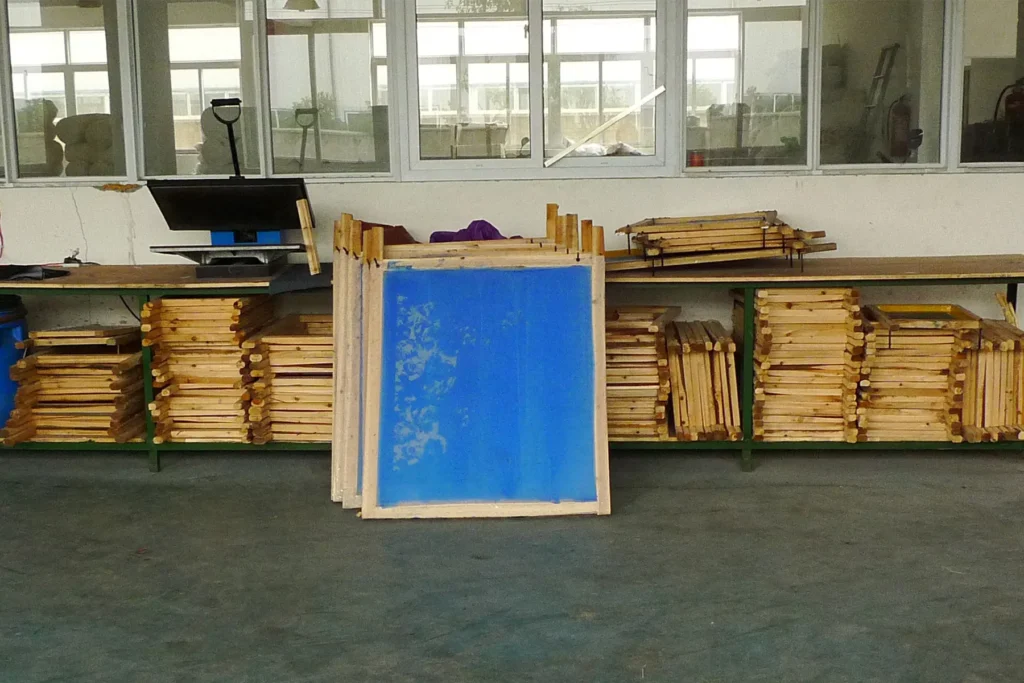
1. Preparing the screens
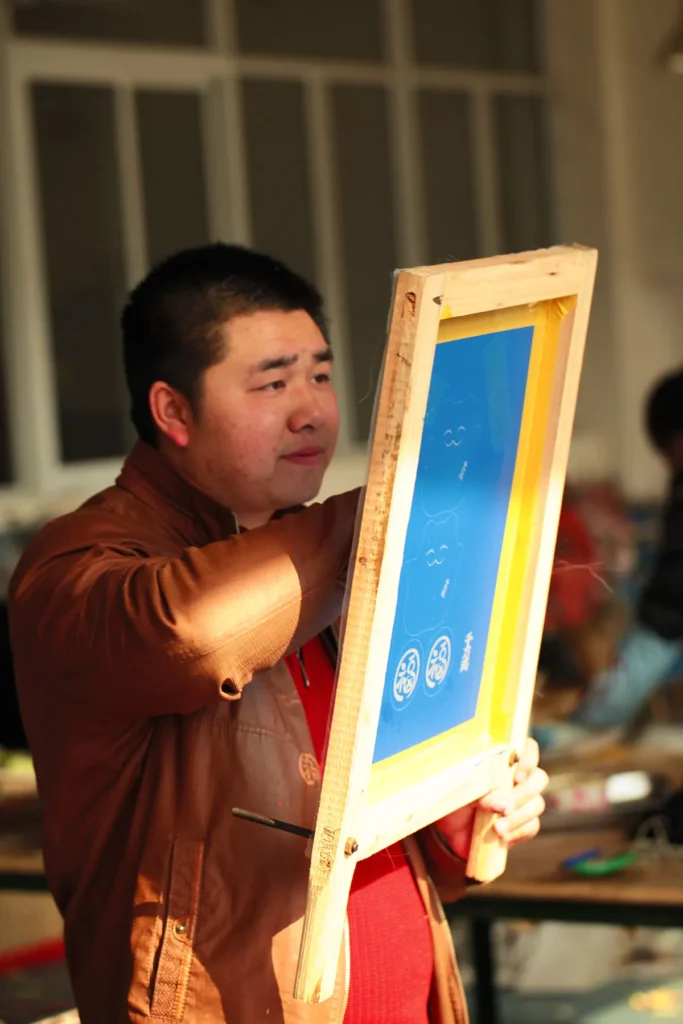
The first step is preparing tightly stretched mesh screens.
The design is transferred onto the mesh, turning it into a stencil that allows ink to pass through in controlled areas.
For the Lucky Cat design, two colors are required.
This means two separate screens must be made, each responsible for one layer of the final image.
2. Color mixing
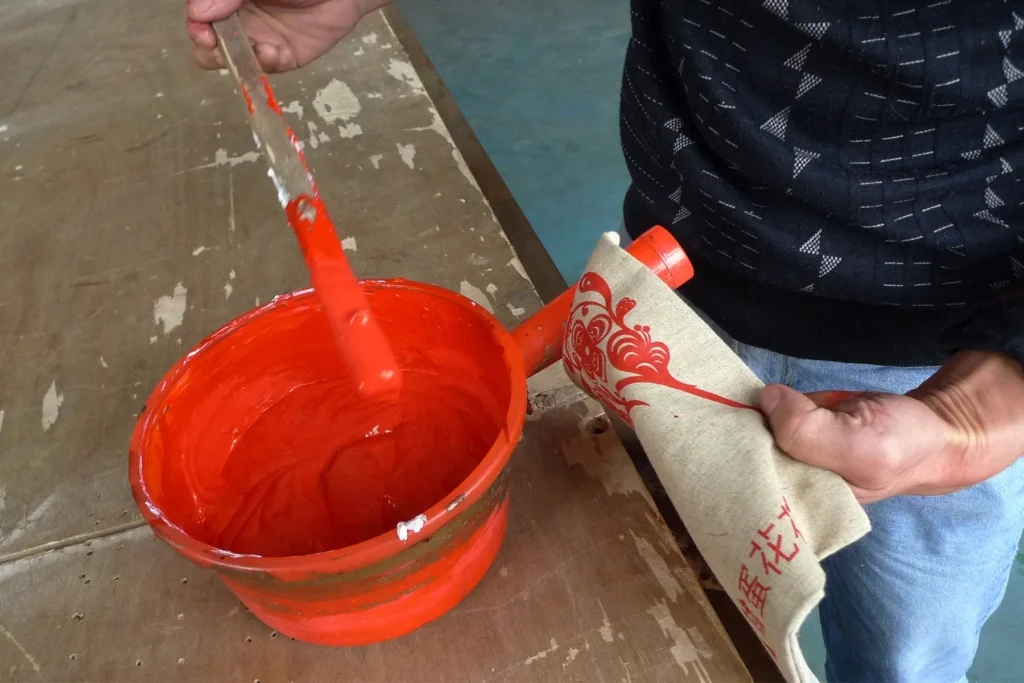
All pigments need to be mixed with precision.
There is a dedicated color specialist in the studio who handles this step.
With only a few basic inks, they are able to mix exactly the shade needed for the design.
Their sensitivity to color is no less refined than that of a painter.
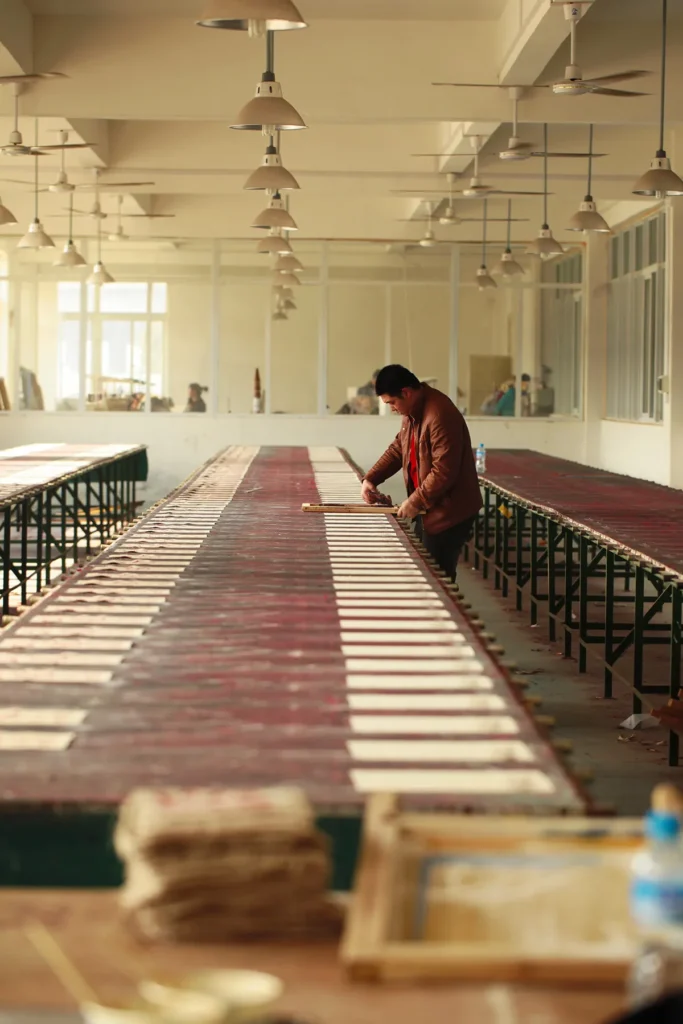
3. Aligning the fabric
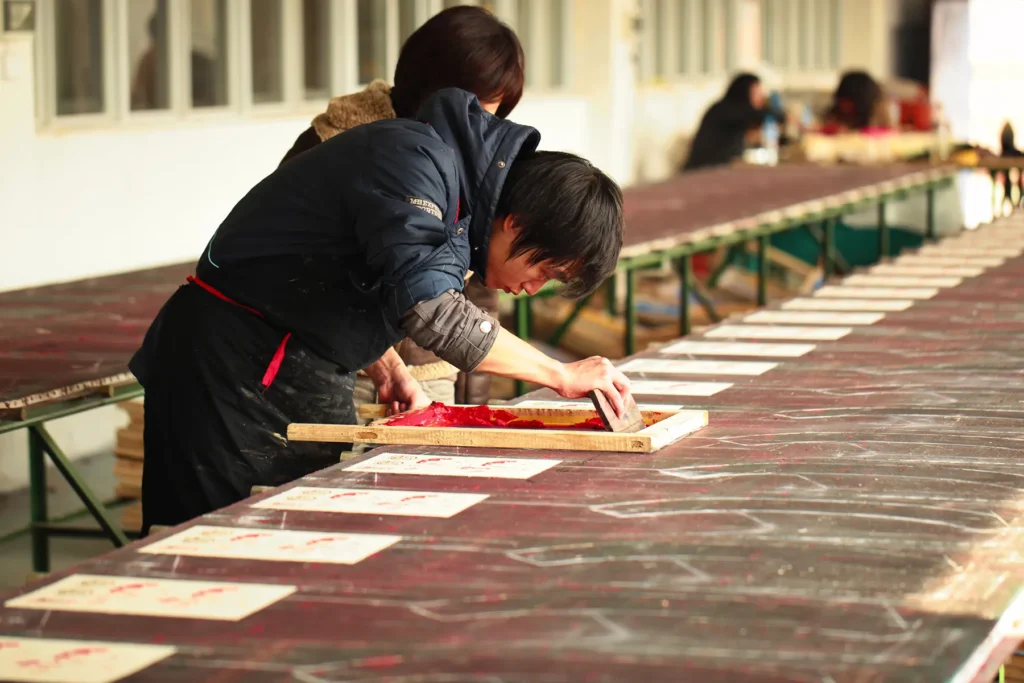
Next, the fabric pieces are carefully arranged across a long working table.
Alignment is a subtle skill — difficult to describe, but crucial in practice.
If anything shifts even slightly, the final print will be affected.
4. Printing process
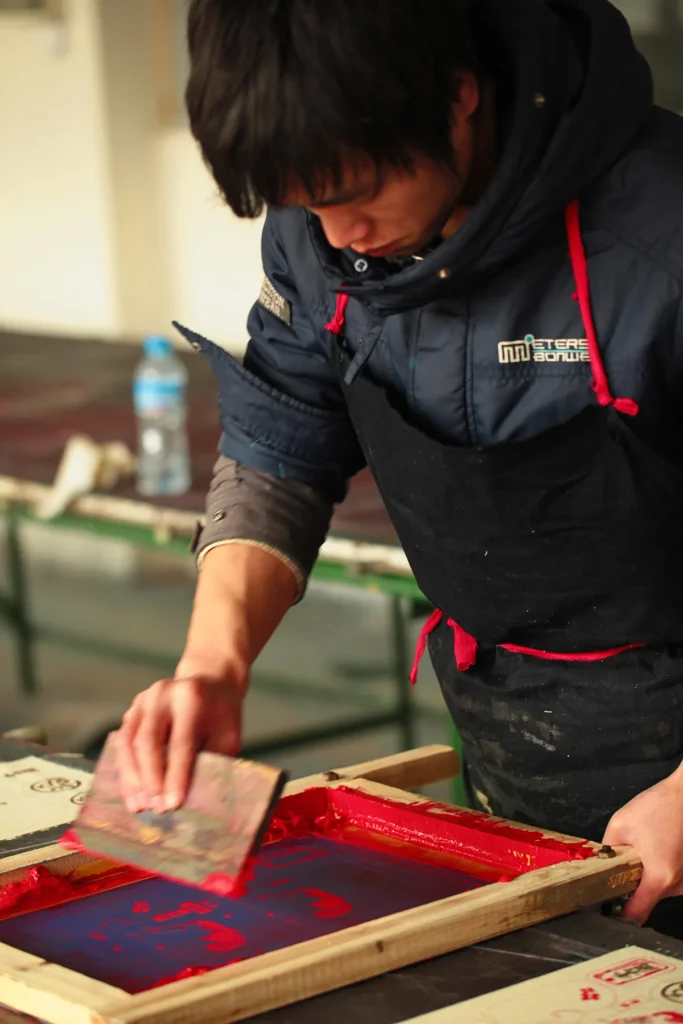
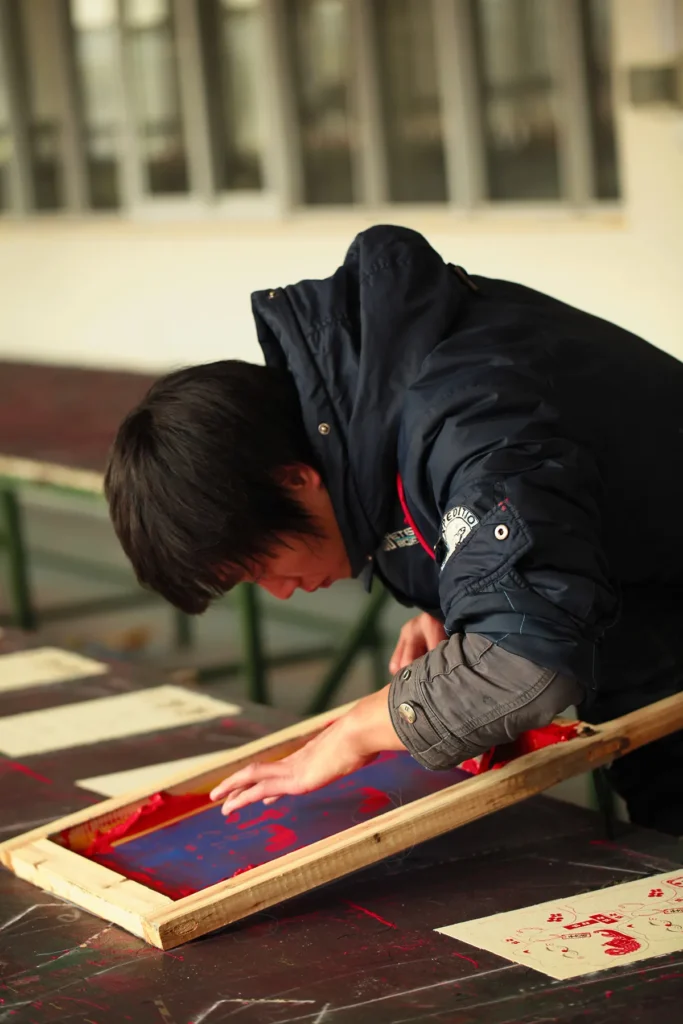
Ink is poured onto the screen.
A squeegee is then used to press and pull the ink across the mesh, transferring the design onto the fabric.
This step looks simple, but it is actually the most demanding part of the process.
Pressure, speed, and consistency all require experience.
Because I am a particularly “demanding client,”
the printing is usually handled personally by the studio’s head master.
5. Inspection
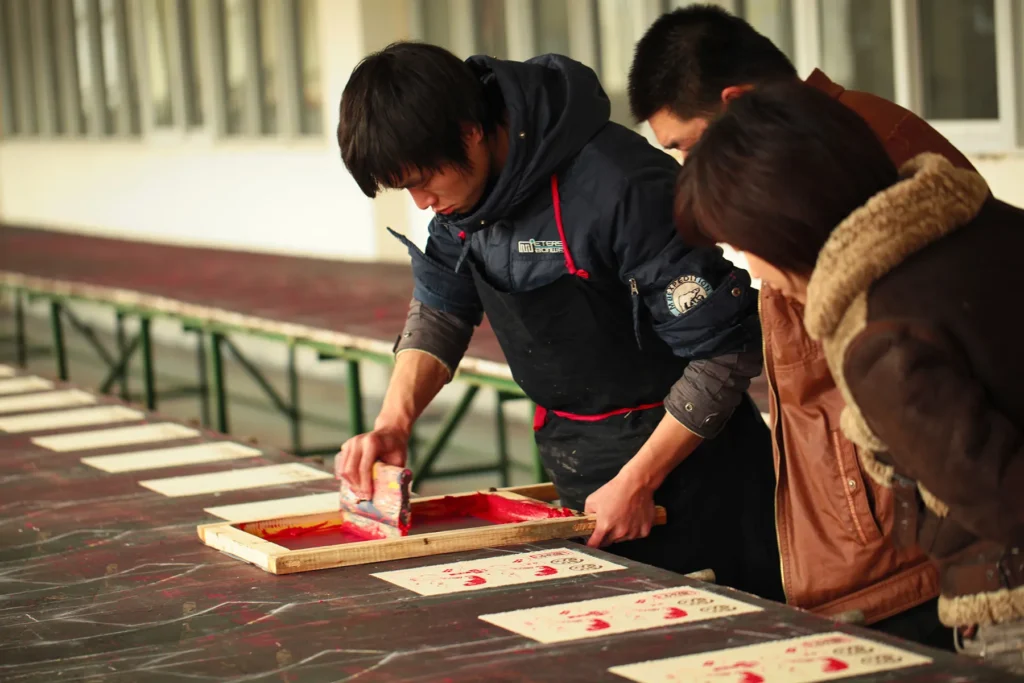
As printing continues, a small group always follows behind as quality control.
I usually stay very close with 蛋殼(my studio assistant), watching every detail carefully.
Even the smallest dust particle can block the mesh and affect the print result.
Any minor imperfection might lead to an incomplete impression.
So inspection becomes an essential part of the process.
And if I’m honest — the strictest inspectors are always 蛋殼 and me.
6. Final result
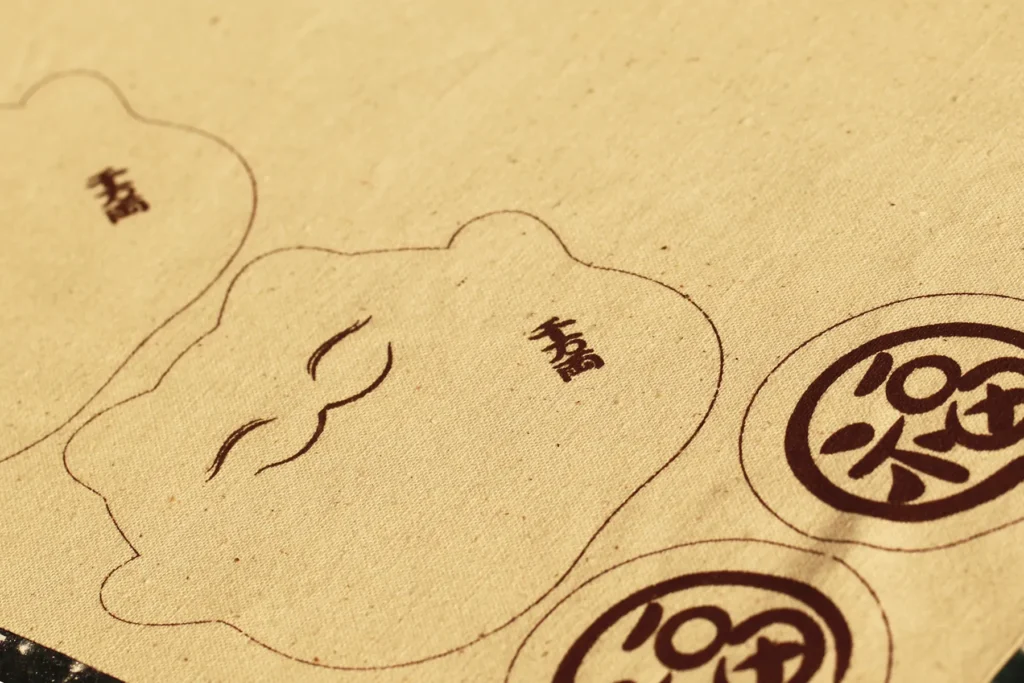
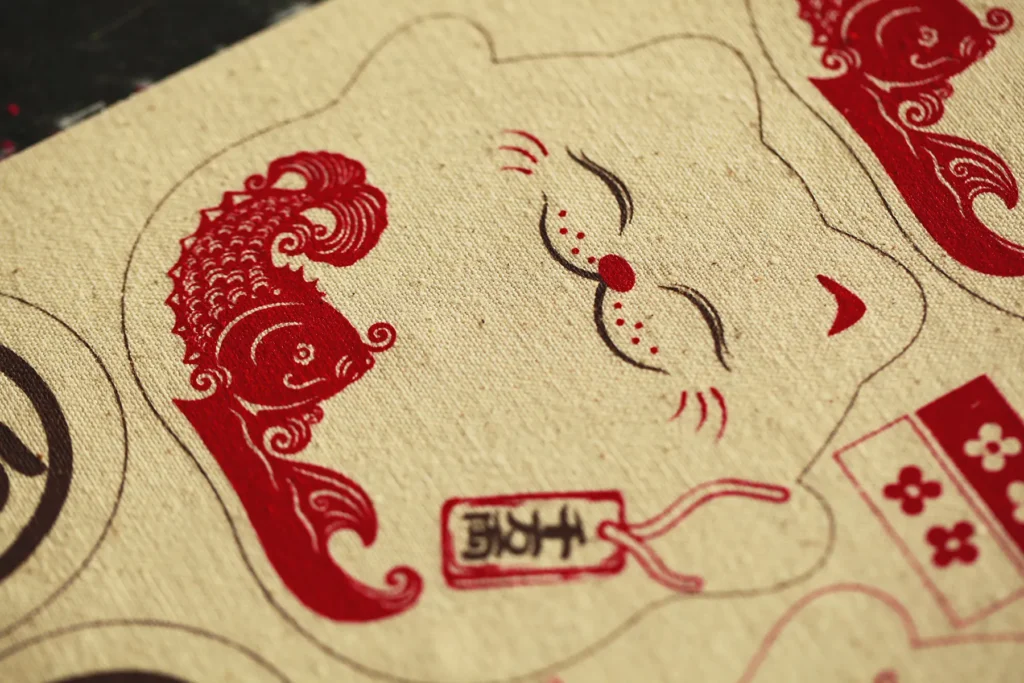
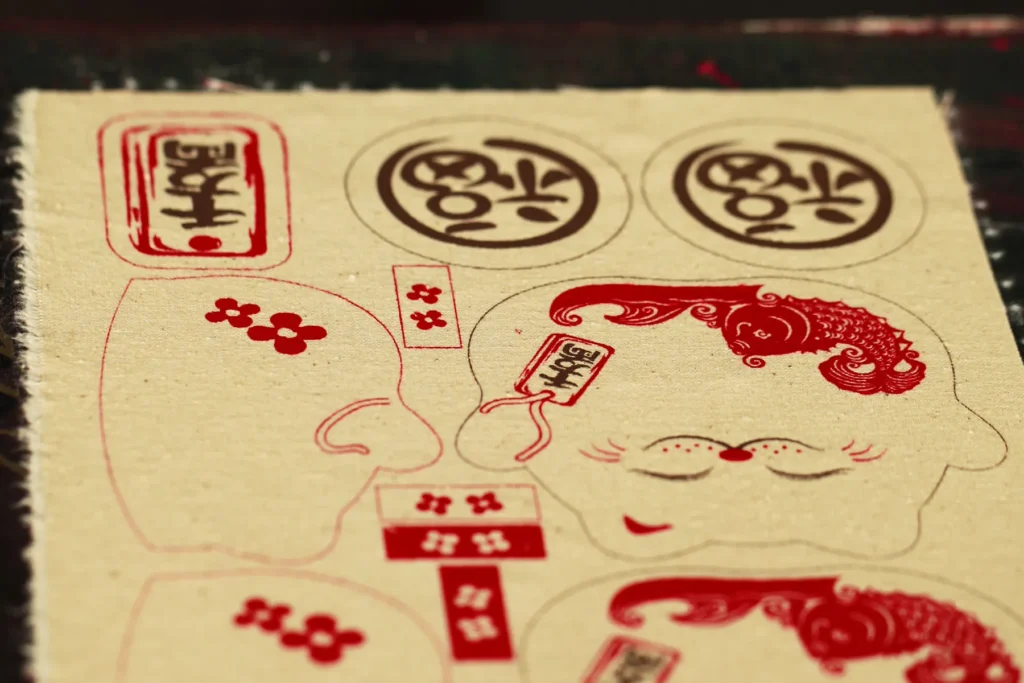
After the second color layer is printed, the Lucky Cat finally appears.
The image comes together quietly, layer by layer, until it feels complete.
7. From print to form
Silkscreen printing is only the beginning of the process.
Once the fabric is printed, it moves into the next stage — cutting, sewing, and filling.
Slowly, the flat surface begins to take shape.
Stitches define the body, and cotton fills the quiet space inside.
This is how the Lucky Cat becomes a soft object with presence.
—— OVER ——
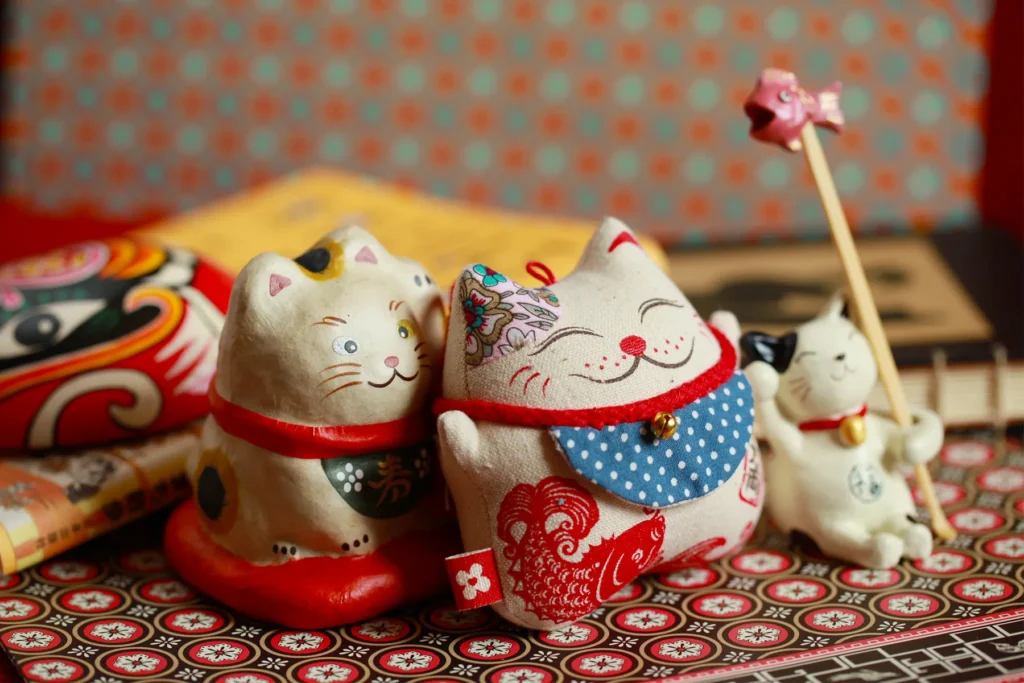
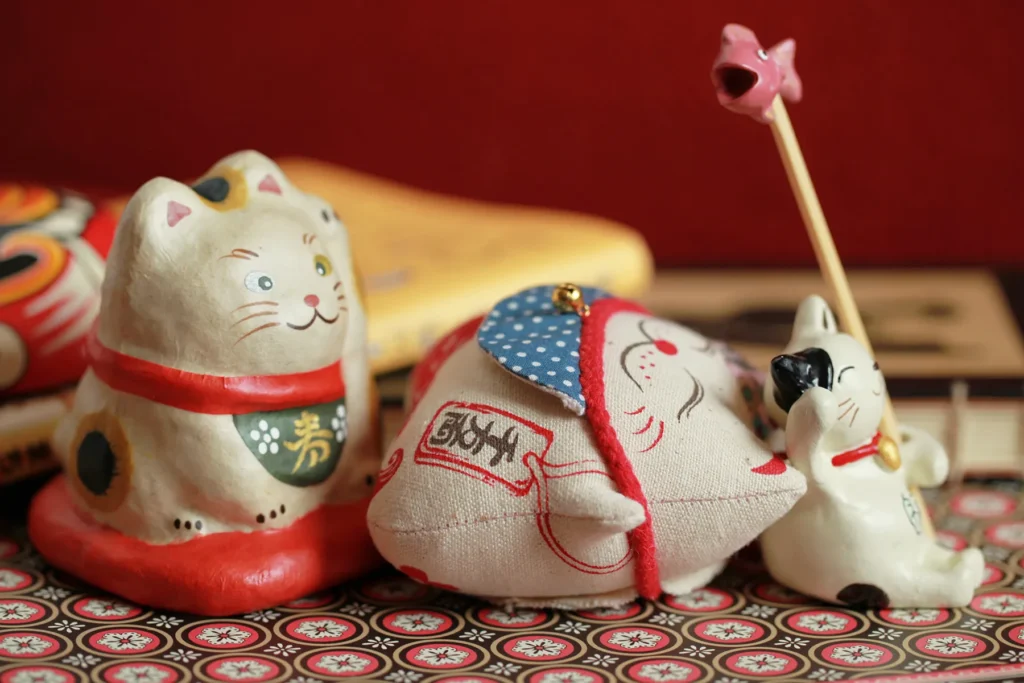
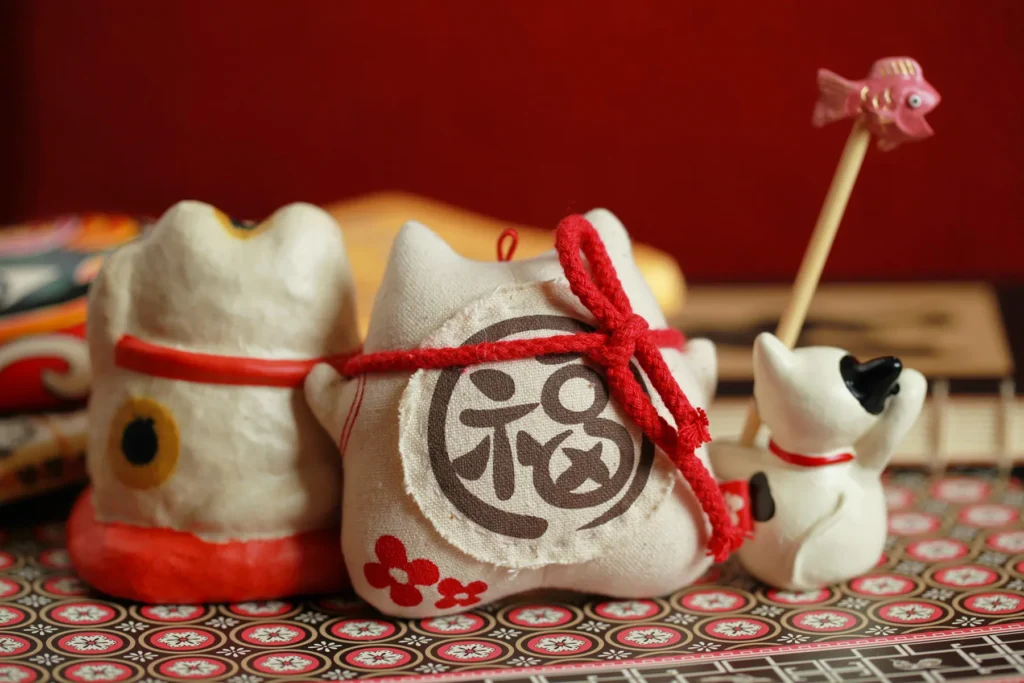
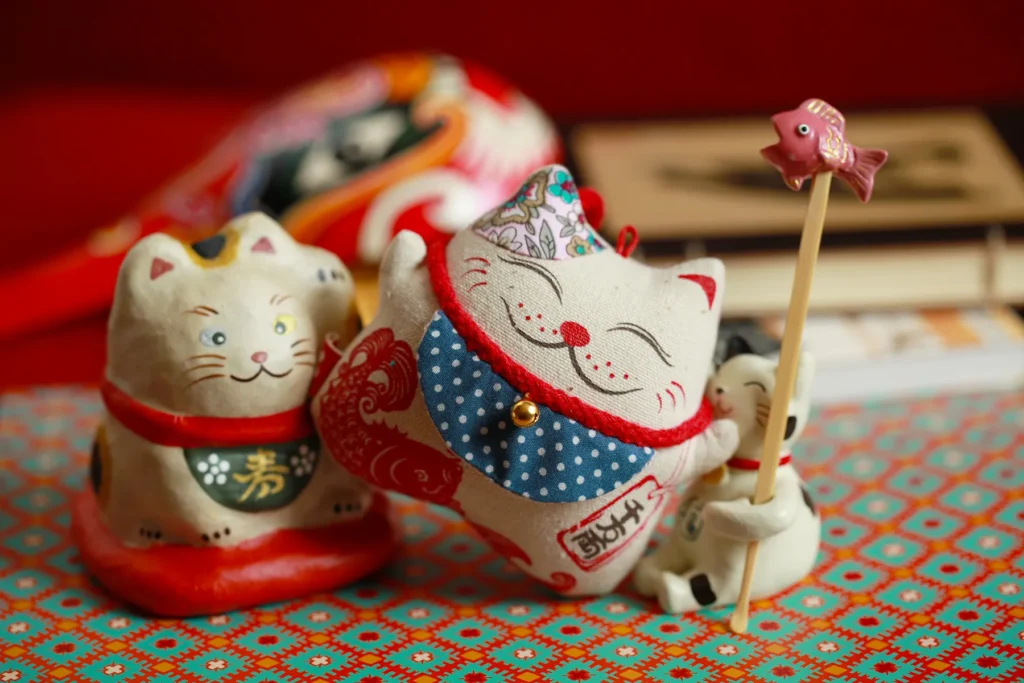
Below are the finished Lucky Cat pieces.
A few remaining pieces are quietly returning to my studio through this website.