


This story is also available in 繁體中文.
That autumn, Huazhuzhu and I traveled to Japan as we had planned.
The most important part of the trip was supposed to be a visit with Mr. Akizuki. We had been looking forward to seeing his collection of Chinese and Japanese folk toys, and hoped that one day we could travel deeper into Japan, visit craftspeople in their workshops, and see traditional objects being made with our own eyes. We were always searching for those places where old crafts were still being practiced in their most honest and original form.
Because of that trip, the zodiac doll that would normally not appear until the end of the year was finished unusually early, in September. I think it was probably the second-fastest zodiac design I had ever made. It began as only a vague shape in my head. I made a quick sample, and somehow a plump, round sheep appeared.
During our travels, Huazhuzhu suddenly came up with a name for it:
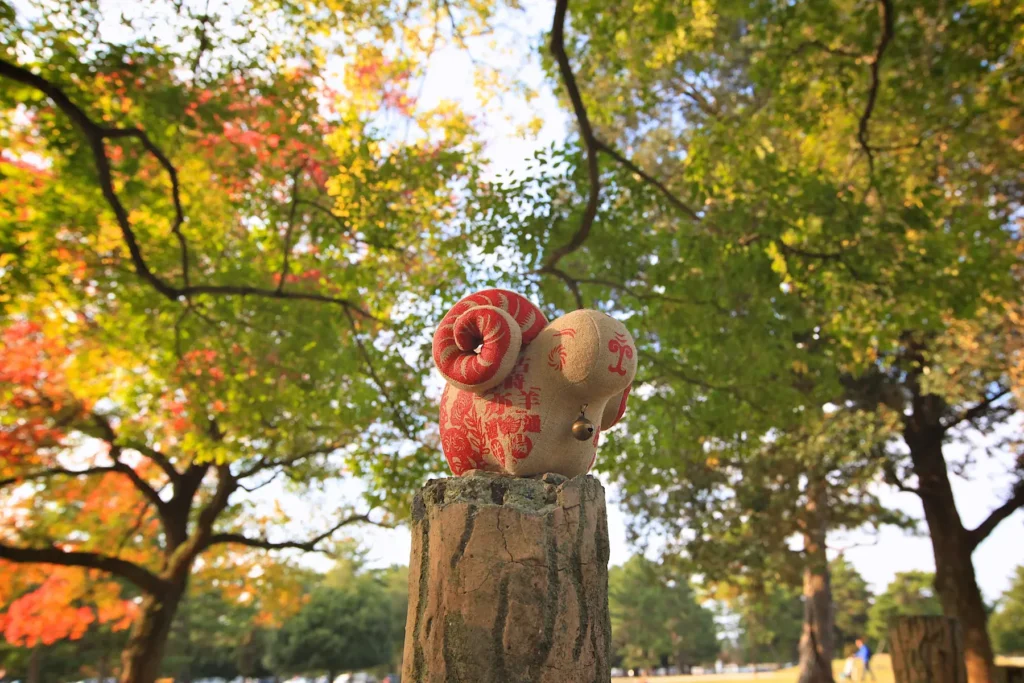
Lucky Sheep — Meiji Yang (美吉羊). There is an old saying, “A great sheep is beauty” (羊大為美) — so the name felt just right.
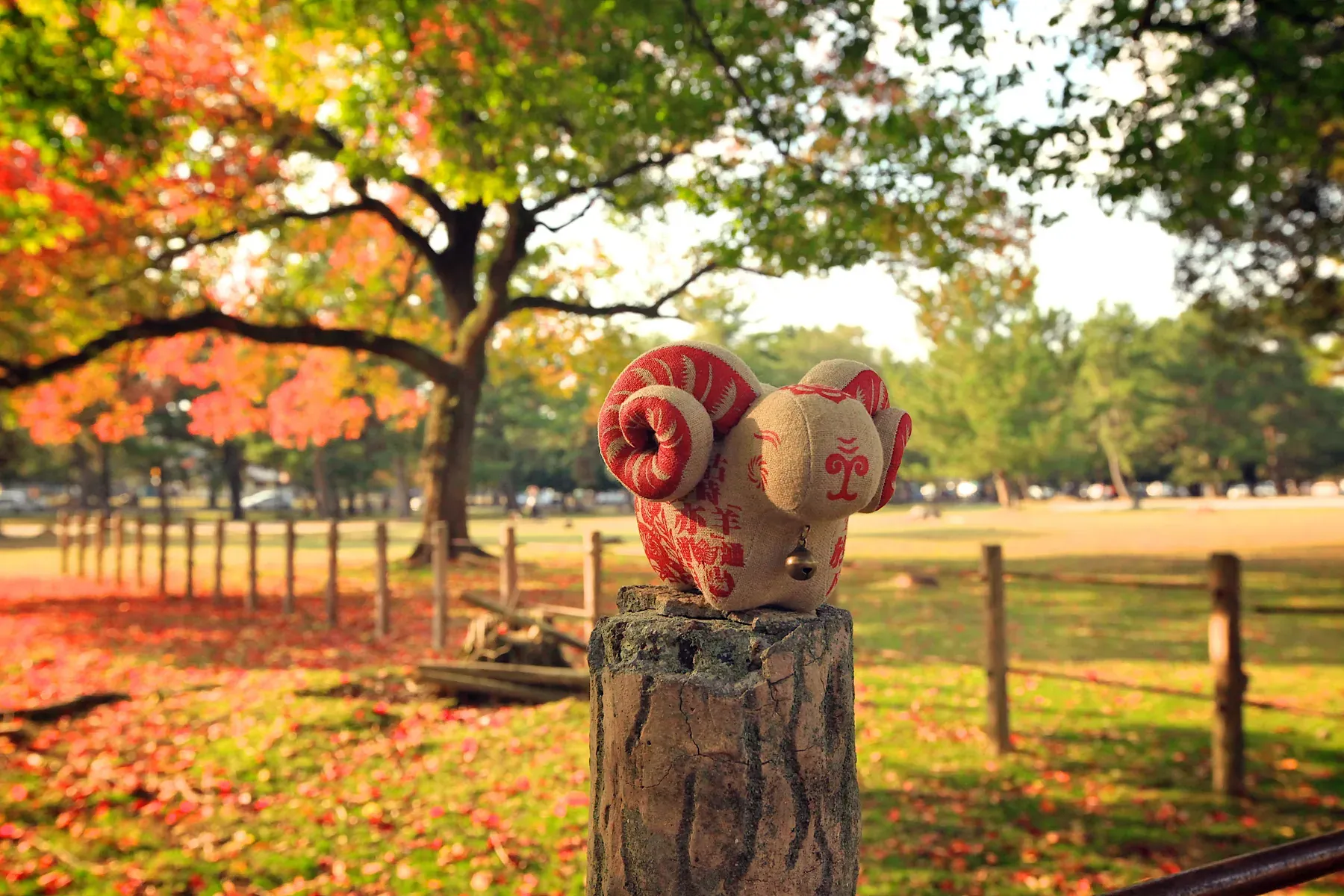
My plan was to take the sheep to see the autumn leaves, photograph it among the red maples, and then give it to Mr. Akizuki as the handmade gift I prepared for him each year.
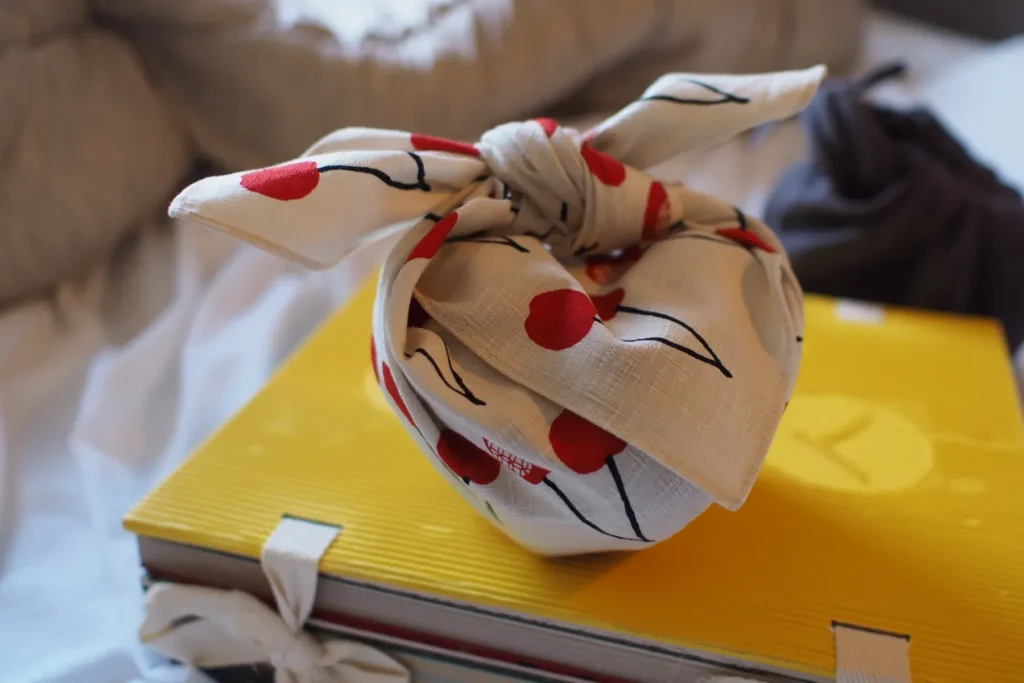
Unfortunately, only after arriving in Japan did we learn that Mr. Akizuki had recently been discharged from hospital after suffering from tuberculosis and needed time to rest. He was not able to receive visitors, so a Chinese friend of his family kindly looked after us instead. I mailed Lucky Sheep to him from a convenience store and later spoke with him on the phone. He kept saying, in Chinese, “Ni hao, ni hao…(妳好!)”
I could already feel how much he had wanted to share his world of toys with us. It was a special encounter, even though we never managed to meet in person. At the time I wrote, with complete confidence, that we would surely meet someday, and that I hoped he would recover soon.
A later note: Mr. Akizuki was a Japanese packaging designer of an older generation and an avid collector of folk toys. He had also written a recommendation for one of my books. Sadly, we never did get the chance to meet. He passed away two years later. Reading my old words now — “we will surely meet someday” — still makes me a little sad.
Our first stop was the ancient city of Nara. It was my second visit.
The annual Shōsōin Exhibition opens for only about fifteen days each year, and that was one of the main reasons we had chosen this time to travel. I wanted to see those treasures connected with the Tang dynasty with my own eyes.
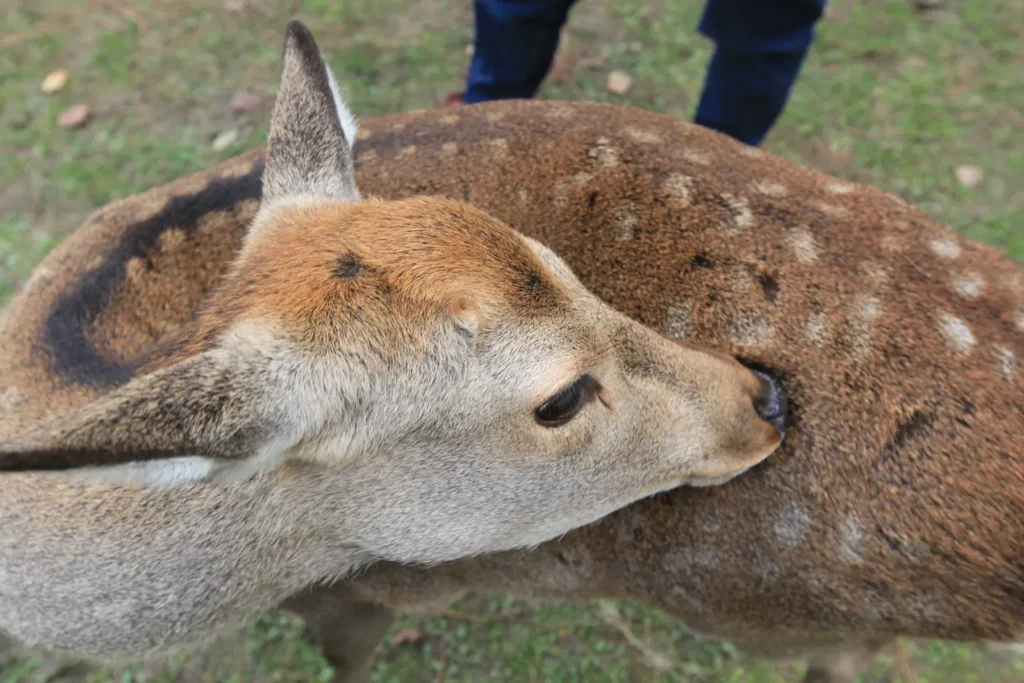
Nara had not yet reached the height of its autumn colors, but the greens, yellows, oranges, and reds were already beautiful together. The deer looked wonderfully gentle, although in reality they seemed to live entirely for crackers. The photograph I had imagined — Lucky Sheep and a deer gazing tenderly into each other’s eyes — remained firmly in my imagination.
By the time we finished the exhibition and lunch, the sun was already sinking at around three thirty. I waited for one last patch of light and finally managed to take a few photographs of the sheep.
The blue sheep also had a lovely name: Shanji Yang (善吉羊). I later realized that the blue looked a little too dark against the autumn landscape, although the indigo itself was beautiful, so I decided to photograph it again after returning home. There were deer grazing everywhere, and enormous crows often passed overhead, but getting all of them into one picture was much harder than it sounded. Walking through Naramachi, we found shops already filled with sheep for the coming zodiac year. Paper folk toys, Nara’s traditional carved wooden figures, souvenirs, even Daruma dolls dressed as sheep — everywhere, designers and craftspeople were already busy preparing their own versions of the coming New Year.
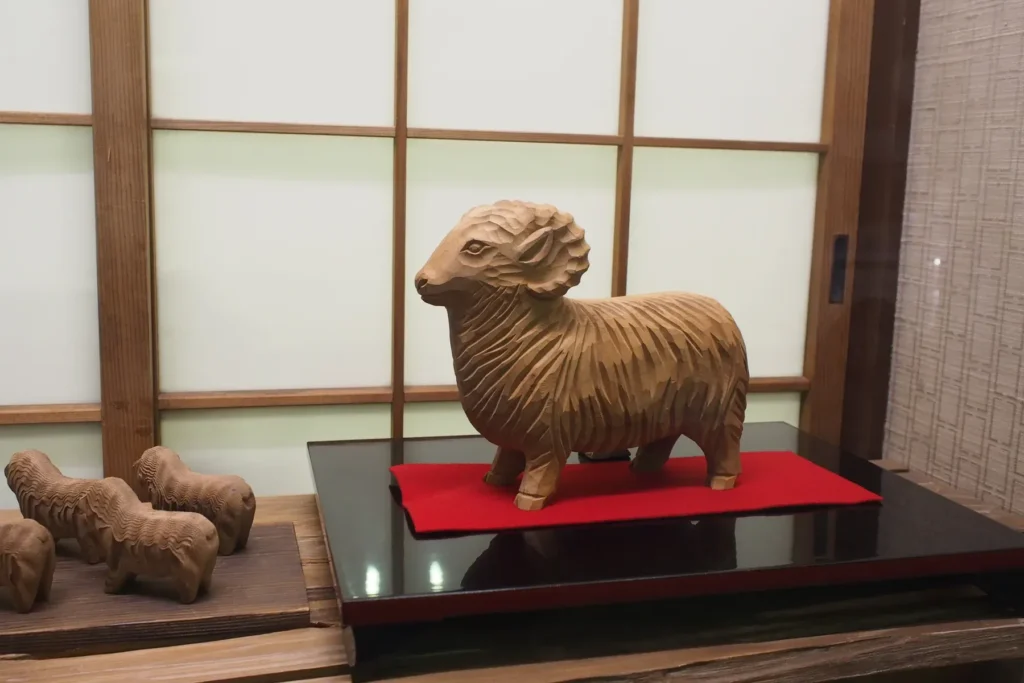
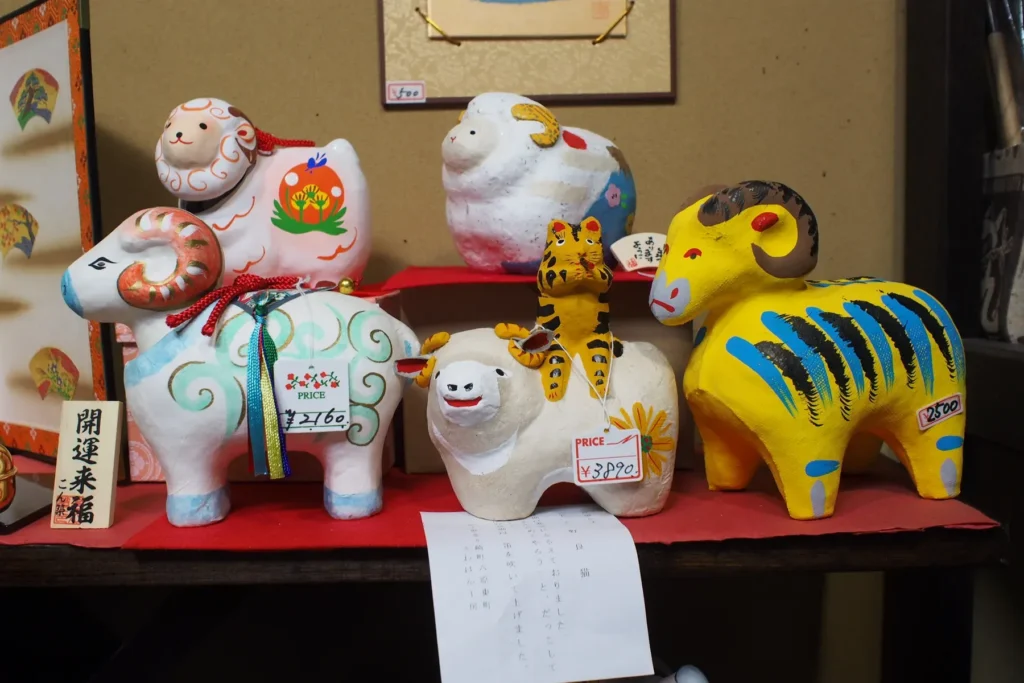
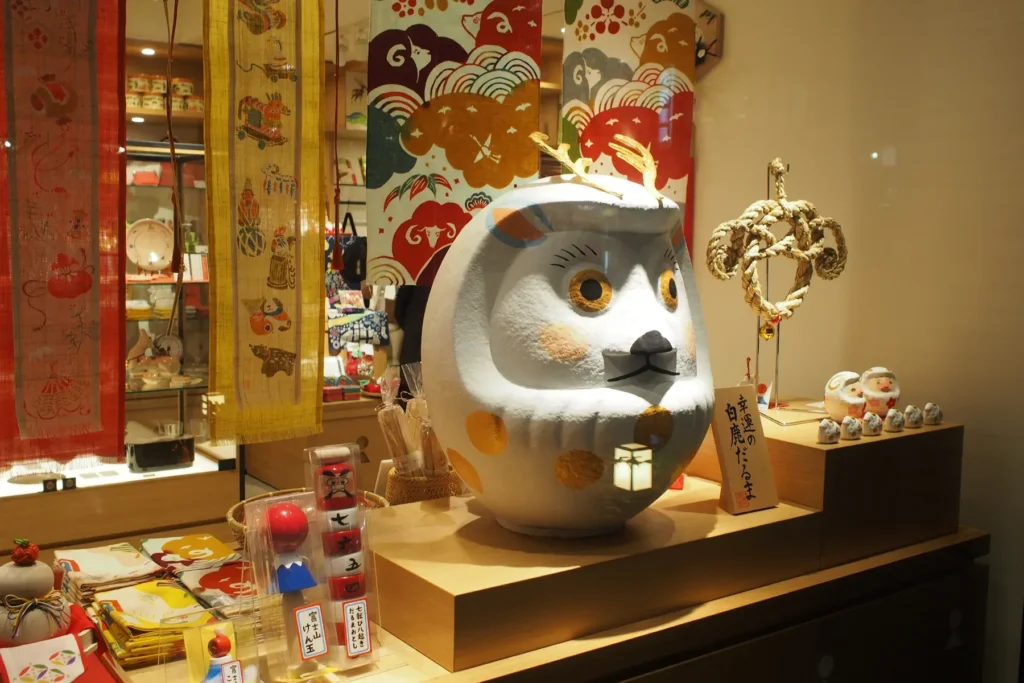
The softness and fullness of a sheep has always given me a feeling of peace, gentleness, and abundance. So the sheep in my mind had to be smiling — and absolutely had to be a big, fat, woolly sheep.
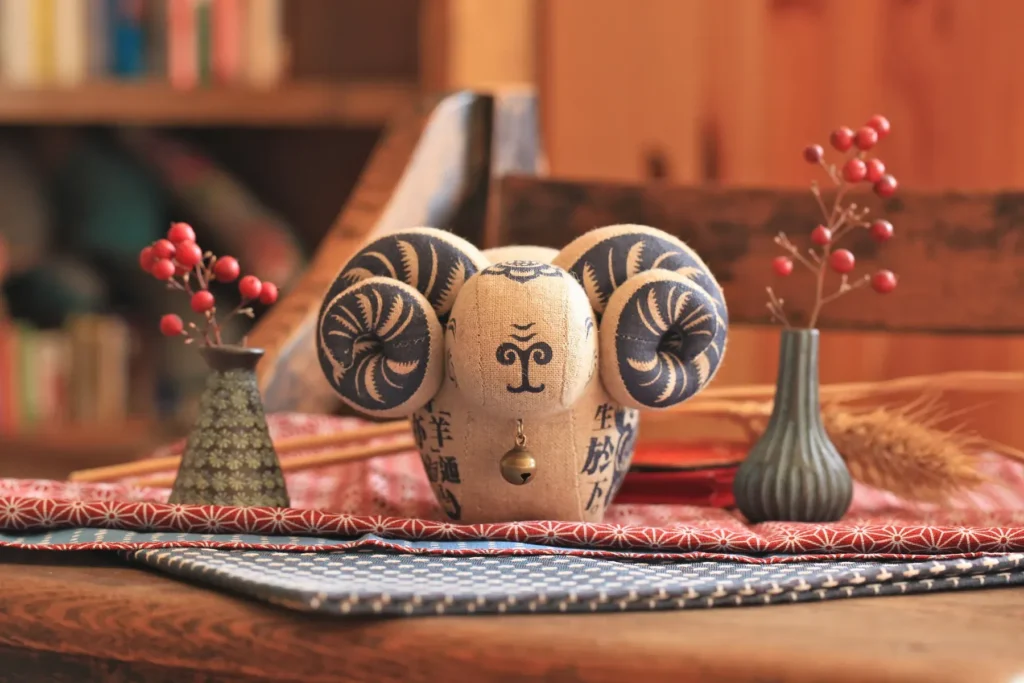
Some friends thought that after making the Snake, the horns should have been easy. They were not. The horns are three-dimensional and require a great deal of patience and skill to sew. Even after being attached to the body, they still need to be shaped and positioned again. That kind of vague, intuitive adjustment was something I could only do myself. For nearly two months, many of my spare moments disappeared into making sheep horns. Sitting quietly and doing repetitive handwork does not bring the same excitement as exploring a new idea, but there is something very peaceful about it too.
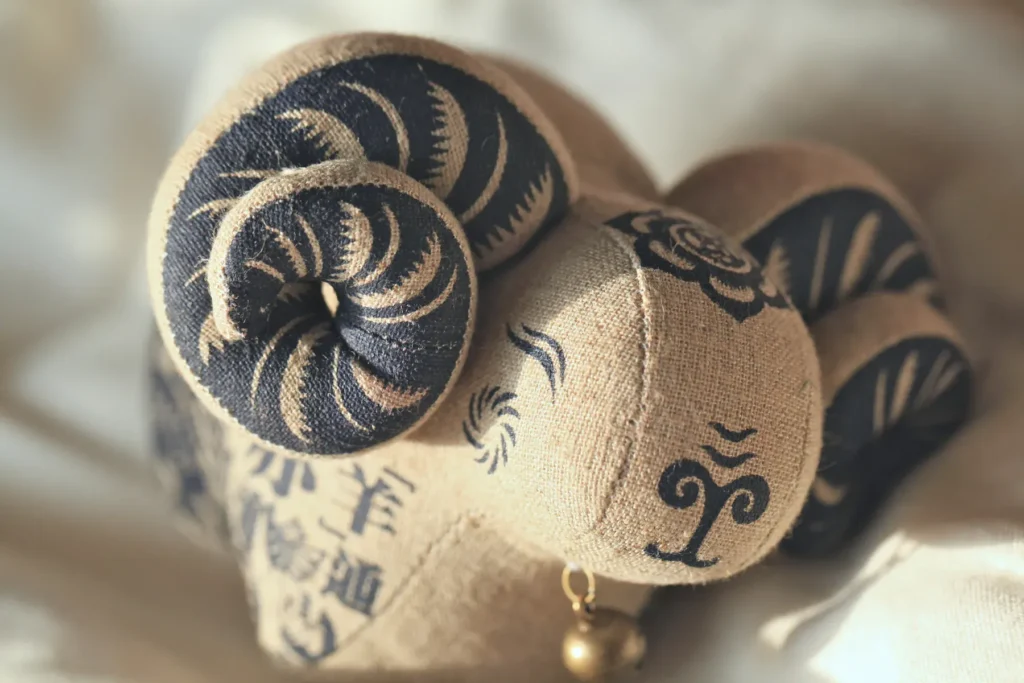
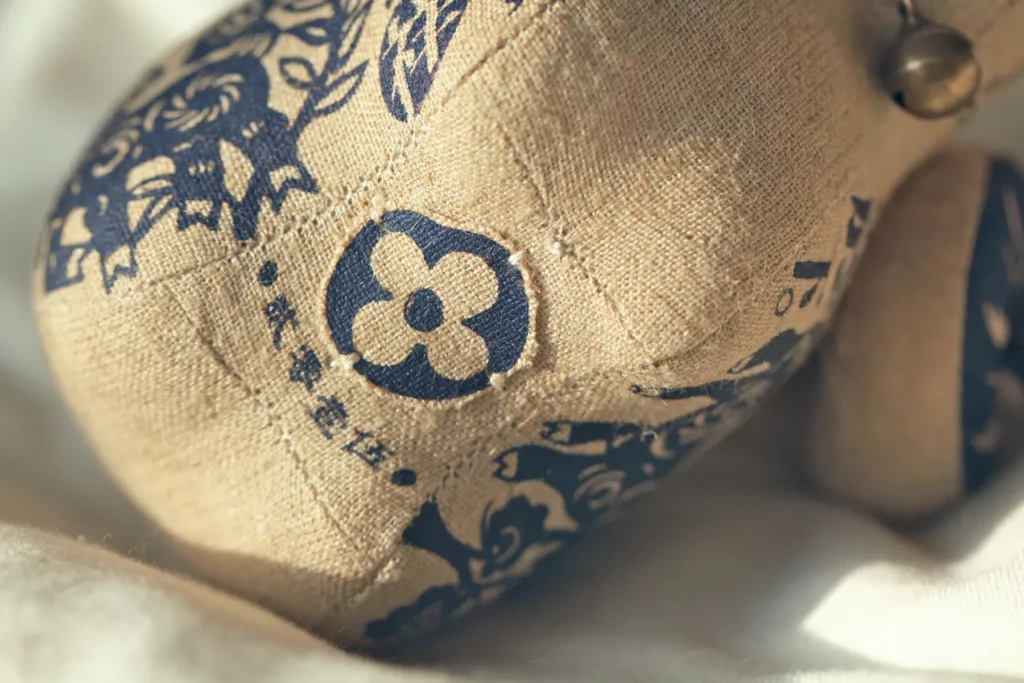
The special edition that year was the blue Shanji Sheep, dyed in a traditional indigo tone that I loved very much. And for once, there was no need to pre-order — they were actually available in stock.
So, here was my New Year wish for everyone:
Ji Yang Ru Yi — may the auspicious sheep bring everything as you wish.
Twelve years later, I have returned to the Sheep once again.
The new Lucky Sheep has taken on a new pattern and a new look, and this time there is also a little black companion. During a summer trip to Tibet, I brought the black sheep with me and photographed it in front of Kawagarbo. Only after returning home did I learn that Kawagarbo itself is associated with the Sheep.
Twelve years ago, one sheep traveled with me to Nara.
Twelve years later, another went with me to Tibet.
The new story is only beginning.